Translate

Showing posts with label seller mistakes. Show all posts

9 Ways to Appreciate Your House Just as It Is

Whether you've been letting your home improvement to-do list get the best of you, or are finding yourself comparing your real-world home to professionally styled and photographed ones, it's natural to get a little down on your home from time to time. Luckily, feeling content at home is something available to everyone, no matter the size or condition of your space. By working your way through these nine suggestions, you can gain a deeper appreciation of your house, just as it is today.

1. Consider what first drew you to your home. No matter where you live, there was likely something that attracted you to your house when you first saw it. Was it the sunny yard, charming porch, original wood floors? Once you are living in a place, it's natural to focus more on home improvements, but taking a moment to recall your favorite things about your home can put things in perspective.

2. Use your senses. If you're getting down on your house, it can be hard to find anything to appreciate — but using your senses, you can zero in on the pleasures of home. Take a quick sensory tour of your home and note anything positive: the cozy comfort of your couch, the smell of coffee brewing, the feel of a fluffy rug between your toes.

3. Contrast it with not-home. Imagine you've just been on a long trip, and you are arriving home for the first time in weeks. You close the door behind you and take a deep breath. What are you most looking forward to about being home in that moment? Think about the ways your home comforts and supports you.

4. Think beyond the visible. Is your rent or mortgage affordable, allowing you to live within your means? Is your home near your best friend's house, a lovely park or your favorite café? Is it quiet? Are your neighbors nice? There are many factors that you may not see when you look around but that are just as (or more) important than the space itself.

5. Consider what visitors like about your home. When friends come over, do they comment on how welcoming and relaxing your house is? Is it great for parties, intimate chats, or barbecues on the lawn? Pay attention to what others have to say about your space.

6. Look at the living things. Be sure to count the people and furry friends you share your home with among your blessings. Does the light in your home make it easy to grow that windowsill herb garden? Does owning your own home or having an accommodating landlord make it possible to share your space with furry friends? Do your kids love jumping on that squashy old couch?

7. Look out your windows. Do you have a view of your private garden, a bustling city street, a beautiful tree? Do you have a favorite spot where you like to sit and daydream, simply gazing at the clouds outside?

8. Look on the bright side. Sometimes all it takes is a fresh perspective to turn what could be a negative into something good. A small space may feel cramped, but it also uses fewer resources, so it's naturally greening your lifestyle.

Sharing a home with extended family may be trying at times, but it's undoubtedly providing memories you will cherish for many years. If something has been irking you, try to think of an upside.


9. Consider what your home allows you to do. Whether you love to cook, entertain, read, watch movies or play with your kids, focusing on the activities you enjoy at home can help take the focus away from that never-ending list of improvements. In fact, using your home more is one wonderfully simple way to appreciate what it has to offer.

Looking for real estate services? If you, or a friend or relative is looking for a new home, commercial building or lease, have them give me a call at (714) 584-5509, or send me an email at frank@resusa.org. There are a variety of listed and unlisted opportunities for investors and first time home buyers alike. Let me know how I can help. 

Fixer Upper Myths

BOTTOM LINE, A home will only sell for what the market can bear. What this means is that no matter how many upgrades were made, or how much money has been invested in the upgrades, a home will only sell for what the majority of homebuyers are willing to pay.

Before deciding that your next home must be a fixer-upper, you should do some homework into what to expect when purchasing these types of homes. Many prospective homebuyers tend to have a romanticized version of the entire process, and are quite shocked when confronted with the hard reality. Fixer Upper homes can often represent a good deal, but there are some points that a homebuyer should be aware of before making that offer.

MYTH #1 . . .
I can make a "killing" in the real estate market by buying a run-down home, for tens of thousands of dollars less than the average home, fixing it up, and then immediately selling it for full price, or more.

FACT #1 . . .
Most homeowners looking to sell their "fixer upper" home understand that they will have to list their home at a price that reflects the cost involved in restoring the home to its original condition. The asking price of a fixer upper is usually calculated so that the savings represented by the lower than average market price is roughly equal to the amount of money that a buyer could expect to spend on necessary renovations. Updating the "look" of a home, or upgrading to higher-end finishes, is not included in these calculations, and you should be careful not to spend so much money on renovations that you are unable to recoup your investment. That is how you overbuild. 

MYTH #2 . . .
If I’m buying a fixer-upper home, I don’t need to bother with the added cost and aggravation of a home inspection because I already know what I’m getting.

FACT #2 . . .
WRONG!!! Your agent should make sure a home inspection is always included in your Residential Purchase and Sales agreement; and it is arguably even more important to include one when you are looking to buy a fixer upper. Structural defects are normally not visible to the untrained eye, yet will cost much more to repair than the obvious cosmetic fix-ups. Most licensed home inspectors will not only detail the defects that they uncover, but can also give you a good idea of the costs involved in fixing them. A good licensed and experienced Realtor representing you can help make sure all the areas of concern get addressed, and the right experienced agent can be an extra pair of trained eyes to help protect your interests. 

MYTH #3 . . .
It’s better to pay a lot less and buy a "fixer upper" in an undesirable area, than to pay more for a comparable "fixer upper" in a better neighborhood.

FACT #3 . . .
Most of us have heard the quote, "the three most important things to look for when buying a home are: location….location…and location!" While this is obviously meant to be funny, and is a somewhat over simplified rule of home buying, it does drive home the point of how important it is to consider where you will buy your home. Purchasing a fixer upper in a desirable neighborhood will cost you more initially, but the payoffs -- personal peace-of-mind and higher return on your home investment when you sell -- should not be overlooked.

MYTH #4 . . .
Once I fix this house up, I can turn around and sell it for double the price I paid.

FACT #4 . . .
WRONG AGAIN! A home will only sell for what the market can bear. What this means is that no matter how many upgrades were made, or how much money has been invested in the upgrades, a home will only sell for what the majority of homebuyers are willing to pay. Factors to consider when calculating your possible return on investment:

1. Location: What kind of a neighborhood is the home in?
The type of neighborhood will determine which type of buyers you will attract when you decide to sell. For example: An area consisting of mostly “first time buyers” will attract buyers who have a strict and limited budget. They are looking for affordability above all else – including high-end finishes and perfectly landscaped gardens.

2. Neighbors: What are the neighboring homes like?
A beautiful home surrounded by unkempt, run-down homes will sell for much less, than a beautiful home surrounded by well kept, nicely maintained homes. That neighbor with the junk cars in his driveway will still be there when the potential buyers move in and they know it. 

3. Surroundings: What are the surrounding features?
Buyers are willing to pay more for a home that is in a convenient, yet quiet locale. While you may find it convenient to side onto a school, many potential buyers would eliminate such a location due to the noise level associated with the presence of hundreds of excitable children, and the congestion caused by school buses and parents dropping off and picking up students. 

MYTH #5 . . .
I can make a lot more money by turning this single family home into a multi-family dwelling.

FACT #5 . . .
While this statement is for the most part true, it may not be possible. Most towns and cities have strict zoning laws that not only dictate the maximum allowable occupancy within any given area, but also dictate the size and design of a home when building new, or creating additions to an existing structure.

Once you have thoroughly investigated the pro’s and con’s associated with purchasing a fixer upper home, and you have decided that it’s right for you, be sure to "run your numbers".

1. List Price of Fixer Upper
2. Average Recent Sale Prices of Similar "Non Fixer Upper" Area Homes
3. Estimated Cost of Repairs from Reputable Source (e.g. referred Renovation Company)
4. Buffer Amount for "Unexpected" Repair Costs (usually 1/2 of estimated total)
5. Selling Expenses (real estate fees, lawyer fees, closing costs)
6. Amount of Profit You Desire versus Amount of Actual Profit

For example:
1. $200,000.00 = List Price of Fixer Upper
2. $255,000.00 = Average Sales Price
3. $ 25,000.00 = Estimated Repairs
4. $ 12,500.00 = Buffer for Repairs
5. $ 17,000.00 = Selling Expenses
6. $ 20,000.00 = Desired Profit Versus Actual

Profit of $500.00
If your intent was to purchase the house shown in the example above, make the repairs, and immediately list the house for sale, your Actual Profit shown is only $500.00. If, however, your intent was to purchase the same house, but actually live in it for a few years before selling, you would normally expect to turn a much better profit for three reasons:
  • First, historically speaking, the real estate market normally goes up over time and your anticipated sale price would be higher - affording you more profit.
  • Second, the money that you would have been paying in rent to live elsewhere - with no return - is actively paying down your mortgage and increasing your equity.
  • Third, you will save money on income taxes due to your deductions on mortgage interest, some closing costs, etc.
As with all investments, though, nothing is guaranteed. So when looking to finance a home, keep in mind that the real estate market has taken some big hits in the past. Never overextend yourself financially.

Please note that the figures in the calculations shown were used for example purposes only. Local housing prices in Southern California, repair costs, and selling costs will vary greatly from one location to another. It is recommended that all Buyers thoroughly research their local costs and legal restrictions before purchasing.


Looking for real estate services? If you, or a friend or relative is looking for a new home, commercial building or lease, have them give me a call at (714) 584-5509, or send me an email at frank@resusa.org. There are a variety of listed and unlisted opportunities for investors and first time home buyers alike. Let me know how I can help. 

Mythbusters: Does One Real Estate Agent Know One Neighborhood Better than Any other Another?

I often receive customers who have already tried to complete a transaction but failed for some reason. I can't tell you how many times I have heard a new client start off our interview like this. "We hired the "neighborhood agent" to sell our house because we thought they would know its value better than another agent."  I asked them what made them think that the agent they hired was the "neighborhood expert", and Tom and Sally thought, like many sellers tend to do, that because they were getting flyers with pricing and sales statistics, nicnacs and calendars from one particular agent, they must be the local neighborhood expert. Unfortunately, after allowing their home to sit unsold on the market for over 300 days without any offers, Tom and Sally found out the hard way how not to hire an agent.

One of many lead generating techniques taught by most real estate firms today is called farming. Farming involves an agent, brokerage or group to target a particular neighborhood based upon the agent/broker's preferences, then canvasing either through direct mail or door to door. This technique is used mostly by new and existing agents for establishing their personal brand, and has absolutely nothing to do per se with their particular knowledge of the area. Apart from driving or walking past your house which many agents can do virtually now, any agent can be an expert on your neighborhood in about 20 minutes or less.

That's right, I explained that those flyers they were receiving by the agent that showed all the pricing and sales stats for the neighborhood can be pulled up by anyone with agent or broker level access to the right real estate tools that typically begin with the local MLS, title reports and other public documents. Like I said, that's where 95% of the agents start and stop. The truly exceptional agents dig deeper and use other more elaborate, and unfortunately, more expensive tools to ensure their client's success. Some tricks that make the difference between success and failure can't be taught. That's why a good agent is always busy.

Showing you what other houses sold for in your area means nothing unless your agent can properly use the data to price your house. That's assuming your house is ready to be sold. The farming agent may get a shot at the listing, but better bring more to the table than a flyer full of public record information. Have them show you their personal spreadsheet of stats they pulled from the public sources and have then show you why they are right absd look at their track record of success. If it is taking them longer than 10 business days to get your home into escrow, then something is wrong. Assuming it is not the market itself, it is either other missing components like staging that they never prepped you for.

Sellers often complain about the commission they pay. Some even try and go it alone. According to the research, 96% of the sellers that go it alone without an agent wind up hiring an agent after failing to sell their house. I know the movies say that anyone can be a Realtor. I'm afraid that's just not the case. That's why the good ones make the money we do because the job is a little more scientific than passing out flyers and business cards. Believe it or not, there aren't many agents that know how to price a home properly or teach you how to make the right repairs or decluttering techniques.

The most important factor to consider is not how many calendars or flyers you receive from an agent, but who, number one, you feel comfortable with; then, and most importantly, choose the agent that has the best knowledge, experience and track record for achieving their client's objectives.

Looking for real estate services? If you, or a friend or relative is looking for a new home, commercial building or lease, have them give me a call at (714) 584-5509, or send me an email at frank@resusa.org. There are a variety of listed and unlisted opportunities for investors and first time home buyers alike. Let me know how I can help. 

Mythbusters: Top Selling Agents/Brokerages Are the Best Choice to Sell your Home.

I received a call from a woman named Stacey out of the blue one afternoon. Her call started out with an inquiry about a cute little 2 bedroom 2 bath condo walking distance from downtown Brea California that I had listed and had just recently sold. I was about to explain that we had just finished closing escrow on that unit and was about to ask how I could help her find another opportunity when she asked a question I didn't expect. Stacey wanted to know how long it was on the market for before it was under contract to be sold.

This question was the last one I expected to hear. Stacey didn't want to know about buying the condo I had just sold, but how I was able to sell it so fast. Stacey and Sam lived in the same complex one building over from where my listing was. As it turns out, they too decided to sell their condo and hired the agent that was canvassing their neighborhood. They like that his "top producing" team sold more than 1,600 homes in 20 years, and they liked it even better when he promised that he could sell their home fast and for top dollar. That decision is when the nightmare began.

Stacey was 4 months pregnant with their second child. They needed an extra bedroom for the new baby and Sam didn't want his wife to have to climb stairs while juggling two children. They explained to this "top producing" agent that they bought the condo at the top of the market and needed to get everything dime they could out of it to put down on a new larger home. They also had the clock ticking with her due date. The agent explained that he could get the job done, but they would have to do everything he recommended in order for his plan to work and for him to deliver on his promises of getting top dollar. That seemed reasonable, and coming from a competent (so they thought) top selling agent, it is the right thing to do.  So, Sam and Stacey agreed to follow his instructions so they could sell fast and for top dollar.

Step one of the agent's strategy was to make the condo as appealing as possible, so they asked this young couple to move themselves, along with all of their furnishings, out of their home so it could be professionally staged and shown 24/7. The agent explained that they would be supplying furnishings and decorations that would help the condo show well and stimulate offers. Moving them out he explained would eliminate scheduling issues because of the baby.

The only way Sam and Stacey could pull this off was to move back into her parent's home and fill her parent's garage with everything they owned.  After moving in with her parents it was a slow adjustment for both of them, especially after being married and away for so long. With a second child on the way and a granddaughter to play with, Stacey's mom was ecstatic and both of them knew she could use the extra help. Thirty days turned into sixty days. Then calls started going unanswered. After being on the market for over 6 months with no offers, they decided to fire their "top producing" agent and move back home since the baby was already born.

After Stacey finished the story, she asked again - "how long did it take you to have your listing under contract." I told her that we hit our average timeframe of 10 days and closed escrow 30 days after that. She marveled as to how I could get such great results selling the same condo. That's when I had to share this mythbuster with her.  Believe it or not, picking a great agent doesn't start or even end with how many "units" or homes they sold.  Case in point, I have 40 years experience as a rehabber and am more involved in building custom homes now than selling new and used homes retail. On the surface, it doesn't look like I sell many homes and possibly am only part time. The facts are, I am full time and typically have a standard sale under contract in 10 days.

As you can see, measuring agent quality and likelihood of achieving good results will never be reflected in total units sold. This is just another tactic by the high producing groups. The numbers look impressive, and you figure, well if they could sell so many homes, they must be better at selling homes than the others. As you can see with this example, it's not the the number of homes they sold that counts, but the speed in which the asset was sold, combined with achieving a high list vs. sold price ratio that delivers the best yield for the seller.

Look for an agent that you feel comfortable and can trust first. Then, explore their skill sets first. The good ones will become your family's realtor for life.

Happy hunting!

Frank

Looking for real estate services? If you, or a friend or relative is looking for a new home, commercial building or lease, have them give me a call at (714) 584-5509, or send me an email at frank@resusa.org. There are a variety of listed and unlisted opportunities for investors and first time home buyers alike. Let me know how I can help. 

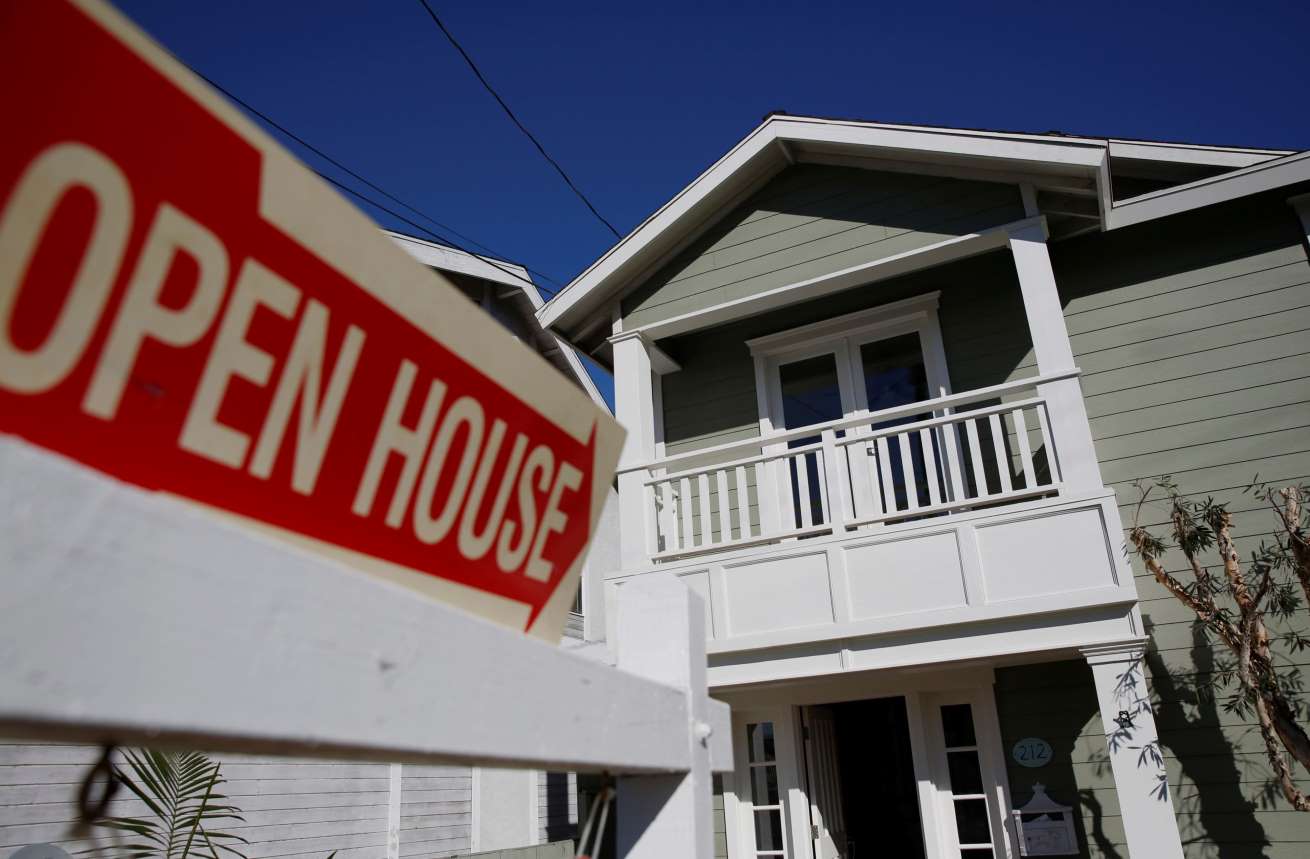
9 Things to Ignore at an Open House

Don’t let signs of a home’s previous life deter you from making it your dream home. The sellers may not have had the time, money, or willpower to professionally stage or remodel their homes before their open house, but that isn’t always a bad thing.

While a turnkey home is ideal for people who want to move right in and make no changes, don’t ignore those “time warp” homes. They can be incredible gems that just need a little polishing. As you step into each home while you’re house hunting, try your best to ignore these nine buyer turnoffs that are actually pretty easy to adjust.

1. An Older Home

“Old” isn’t synonymous with bad. In fact, sometimes newer homes are more affordable simply because they were built with cheap materials — and that may cost you more money in upkeep than a home built decades ago with quality materials that have proven to stand the test of time.
Remember that there are many simple fixes to modernize a dated home, and many older homes are full of charm and character that you can’t find in a brand-new build.

2. Paint Colors

Don't be turned off by flowery wallpaper and dated furniture.
Ignore the existing paint choices and focus on the structure of the room, the placement of the windows, etc. Paint is an incredibly easy, cheap fix and something you can change in just a few hours.

3. Wallpaper with roosters and chickens

It may feel as if you are walking into a barnyard, but remember that wallpaper (even when it’s covered with roosters and chickens) is easily replaced or covered over. So no matter how design-challenged the walls look, it’s an easy fix.

4. Kitchen appliances and accessories

The kitchen is the heart of the home, but sometimes the appliances just don’t live up to your dreams. As long as you have room in your budget or a timeline to replace the existing appliances, a seller’s ancient yellow fridge shouldn’t be a deal breaker.

5. Ugly carpet

Flooring options are getting more and more diverse, and there are now many low-cost options that look just like their higher-priced counterparts. Don’t walk away from a great house just because you’re not a fan of what you’re walking on.

6. Funky smells

Serious mold problems aside, there are few things a deep cleaning can’t fix. Plug your nose and focus on the home’s bones and the potential it has once you give it your own touch.

7. Curb appeal

If you’re not saying “wow” when you first drive up, that’s OK. Close your eyes and envision a different-colored front door and some new landscaping, and, presto — it might just transform into your dream home!

8. Popcorn ceilings
It’s great at the movies, but not at home. No worries! A ceiling specialist can come in and have all that popcorn texturing scraped off. Just make sure you have it done before you move in — it’s a messy job.

9. No privacy

The house feels too exposed and lacks privacy from next door? Easy fix. Remember, “Hedges make great neighbors.”
Let me know how I can help you or someone you know purchase or sell real estate. I always have time for your questions and referrals.

Looking for a new home? If you or a friend or relative is looking for a new home, have them contact me. I can help you sell your current home and find the perfect new home. Complete the Client Registration form to receive daily listings by email that match your specific search criteria.

Top Seller Mistakes


Selling a home involves more than putting up a “For Sale” and waiting for the offers to roll in. But what, exactly, does it take to make the process as simple and successful as possible? The first step is knowing what NOT to do by avoiding the following most common mistakes home sellers make:


---Not choosing the right REALTOR®. 
Common mistakes people make in choosing a REALTOR® include: picking someone based on personal relationships instead of professional credentials, choosing the agent that recommends the highest listing price or choosing the agent with the lowest commission.

--Over-improving the house.
Don't improve the house above the general level of other neighborhood homes and make sure remodels don't end up making the house much pricier than the rest of the neighborhood. Avoid unusual improvements like adding second stories that don't fit in with the neighborhood. 

--Making staging mistakes.
Be ruthless in depersonalizing the house. Repaint atypically colored walls, put in neutral flooring, and put away collections, family photos and other mementos. Be equally ruthless in decluttering the whole house, including storage spaces. Clear out unnecessary furniture, pack away nonessentials, and put items in an off-site storage facility. Do a deep cleaning before showing—hire a cleaning service if necessary. And remember to keep up with maintenance cleaning while the house is being shown.

--Neglecting curb appeal.
Most people won't even come inside to look it they get a negative impression from the street. Give as much attention to staging the outside of the house as you do the inside.

--Not removing evidence of a pet.
It's tough, but keep your pet away during showings. Deep clean carpets, upholstery and wall treatments or replace them entirely. Remove all evidence of fur throughout the whole house. Patch up walls, screens and other spots pets have scratched up. Remove stains and marks from a bathroom or kitchen cat litter box. Clean and deodorize wood floors and, if pet smells persist, strip and revarnish, seal or paint. Getting the airducts cleaned can also help with odor issues. Have a non-pet owner stop by to assess your de-petting success.

--Limiting showings.
Buyers need to be able to see the house so sellers have to be flexible to get the most potential buyers through the door. Some buyers do a sweep of house tours during a specific time period and if a home isn't available, it won't make the schedule.

--Going to showings
Owners who attend showings tend to hover; inhibiting buyers and making them feel uncomfortable. Owner also may find it difficult to hear people talking their homes without taking comments personally and can reject good buyers for emotional reasons.

--Trying to hide problems or failure to make required disclosures. 
Be clear and honest in disclosing all problems. You can still be sued after the sale if problems are later uncovered.

--Not making repairs. 
A house that needs more work becomes less appealing than its competition. If a home needs a major overhaul, it immediately reduces the pool of people willing to look at it. Offering a credit to buyers upon closing to make repairs tends to be less effective than just making the repair beforehand.

--Making mistakes with offers.
Don't ignore early offers. If the house is priced correctly and gets an offer in line with what you're asking, take it. Be ready to act immediately--a house get the most attention and highest offers in the first weeks after it's listed. Also don't blindly accept the highest offer. When all aspects of a contract are considered, the highest bid might not actually be the most advantageous.

--Not trusting the REALTORS® advice. 
You know your home, but a REALTOR® knows how to sell it. Take advantage of their experience and listen to their advice on things like staging, pricing, and repairs.

--Not paying attention to the legal and financial details. 
Even with a REALTOR® onboard, you need to stay involved with the process. Make sure you read contracts, understand offers and know what you are and aren't agreeing to.

--Not getting a house inspection.
Although a buyer will get an inspection too, getting one first ensures you'll be forewarned of any major defects.

--Expecting an unrealistic price.
Pricing mistakes include: pricing too high, not understanding the local market, not heeding a REALTOR®’s advice, setting the price according to money you want or need for another purchase, and not being willing to lower the price when necessary.

--Unwillingness to negotiate.
Like it or not, negotiation will be necessary throughout the entire process on things like what repairs will be made, what fixtures and appliances might stay with the house and the dates when things will happen. Being stubborn will slow the process and can cut into your profits. Failure to negotiate on price, for example, can mean losing a sale during the crucial first weeks when the best offers will come it.

Popular Posts